Local dining guide
Mediterranean Food for Relaxed Group Dining in Ealing
Sharing food can make a group dinner generous and relaxed, provided the menu gives every guest enough choice and the table orders with a little structure.
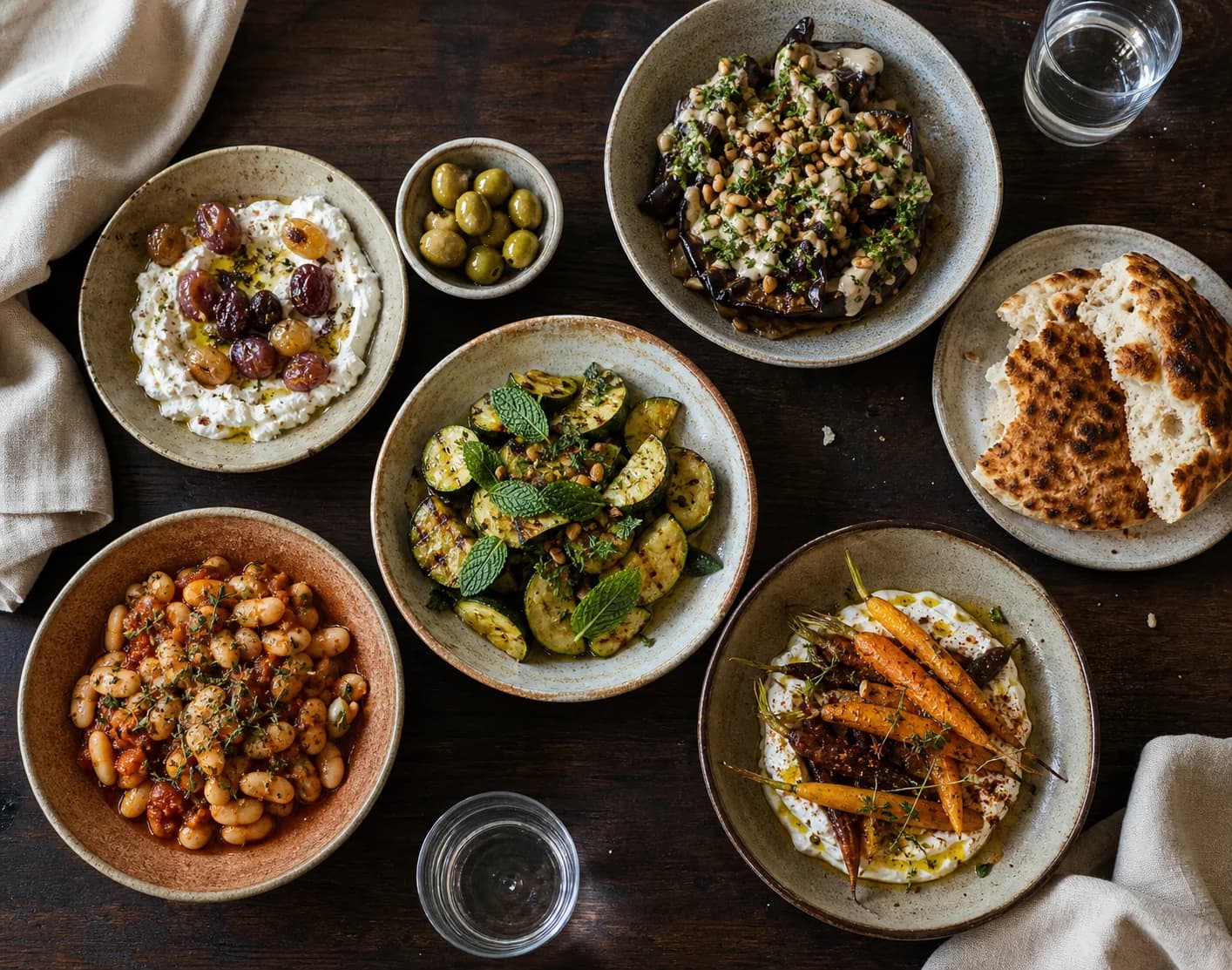
Group dining works best when the food gives people something to talk about without requiring a committee meeting for every order. Mediterranean cooking has a natural advantage here. Bread, dips, vegetables, grilled fish, meat, salads and desserts can arrive in waves, giving the table variety while keeping the meal coherent.
That does not mean every Mediterranean sharing menu automatically works for a group. Portions need to be explained, dietary requirements need real consideration and the order should have enough structure that quieter guests receive as much as the people sitting closest to the first plate.
For birthdays, team meals, family dinners and informal celebrations in Ealing, here is how to make group dining feel generous rather than chaotic.
Why sharing menus suit a group
A shared meal removes the pause while twelve people read a long menu in silence. A few dishes can arrive quickly, which helps guests settle and gives late arrivals a natural point to join. Larger plates from the grill create a centre for the table, while vegetable dishes and sides make it easy to adjust the balance.
Mediterranean food also moves comfortably between familiar and interesting. Warm bread, roast chicken and potatoes need little explanation. A bright raw fish dish, smoked aubergine, tahini or a less familiar grape variety can add interest without turning dinner into a test of confidence.
The best group menus use contrast:
- Something warm and something cool.
- Crisp vegetables beside slower cooked dishes.
- Acid and herbs alongside smoke and richness.
- Familiar anchors with one or two new flavours.
This is more useful than simply ordering one of everything. A table covered with unrelated plates can look abundant while producing a meal with no clear middle or finish.
Begin with a sensible first wave
For six to eight guests, start with bread and three or four small dishes in enough quantity to reach both ends of the table. The restaurant can advise whether that means one, two or three portions of each plate.
A balanced opening might include:
- Warm flatbread with hummus or smoked cod roe.
- Olives or pickles for salt and acidity.
- A seasonal vegetable plate.
- One fish, meat or cheese dish.
Let this first wave arrive before confirming the rest if the restaurant is comfortable with staged ordering. It helps the group understand portion sizes and appetite. For a fixed group menu, ask the team to explain how dishes will be distributed across a long table.
At Linden Table, the fictional small plates include courgette fritters, roast peppers with anchovy, lamb kofte and sea bass crudo. The full static menu shows prices and dietary markers for the broader restaurant concept.
Give the grill a clear role
Charcoal cooking adds flavour and theatre to group dining, but grill dishes should not all arrive as competing centrepieces. Choose one or two main directions, then support them with vegetables and sides.
Whole fish is useful for groups that enjoy sharing and are comfortable with bones. A member of the restaurant team can portion it or explain the easiest way to serve. Charcoal chicken or lamb offers a more familiar anchor. Grilled aubergine, squash or cauliflower should be treated as a complete dish rather than a token alternative.
Ask how many people each larger plate serves. Restaurant portions vary, and words such as whole, sharing and large are not measurements. A good server will translate the menu into an order that suits the number of guests.
For a mixed table, an effective middle might be whole sea bass, charcoal chicken, roast aubergine, potatoes, greens and a bitter leaf salad. Everyone can build a plate with contrast, and no single dietary group is left with only side dishes.
Plan for vegetarians and vegans from the start
Mediterranean food offers vegetables, beans, grains, herbs, nuts and olive oil in abundance, but a menu can still depend heavily on dairy, fish stock or meat cooked on shared equipment. Dietary markers are a beginning, not the entire conversation.
When booking a group dinner in Ealing, tell the restaurant how many guests are vegetarian or vegan. Ask whether the set menu gives them an equivalent number of substantial dishes. A vegan guest should not watch the rest of the table share three courses while receiving hummus, salad and fruit as an afterthought.
Good group planning might involve placing two versions of certain dishes along the table or creating a vegetarian centrepiece for everybody to share. This keeps dietary food part of the meal rather than isolating it at one place setting.
Allergies require separate discussion. Nuts, sesame, dairy and gluten appear often in Mediterranean kitchens. The restaurant should confirm ingredients, preparation and cross-contact risks directly with the relevant guest or organiser.
Keep the long table fair
Physical layout affects how people eat. A single bowl in the middle of a table for twelve will not travel evenly. Plates should repeat along the table, and serving spoons should arrive with dishes that need them.
If you are hosting, resist the urge to control every plate. Help start the first dishes moving, check that dietary alternatives reached the right person and then let the table find its rhythm. The restaurant team should remain responsible for pacing and replacement cutlery.
Seat guests thoughtfully when dietary needs are complex. Placing two vegan guests near each other can make shared dishes easier, but ask whether they prefer that arrangement. Do not turn a dietary requirement into their main identity for the evening.
For work dinners, consider conversation as well as hierarchy. A long table can split into small groups. Changing seats after the first course is rarely practical, so place people where discussion will feel natural from the beginning.
Order drinks for different preferences
The traditional answer to group drinks is several bottles of wine, but modern tables often include people drinking less or not at all. Give non-alcoholic choices the same attention as wine.
An aperitif can begin the evening, followed by wine that works across the shared dishes. Crisp whites, dry rosé and lighter reds tend to move easily between vegetables, fish and grilled meat. Ask for two price points before choosing. Clear budget guidance helps the restaurant make a useful recommendation.
Water should arrive early and remain available without repeated requests. Non-alcoholic aperitifs, sparkling tea, citrus drinks and good tonic combinations can make the table feel inclusive. Nobody should have to explain why they are not drinking.
For groups where guests order individually, decide whether drinks are shared, placed on separate bills or covered by the host. Settle this before the end of the night if possible.
Finish in a way that keeps the table together
Dessert is where group meals often divide. Some guests want something sweet, some want coffee and others are ready to leave. A shared dessert course keeps the finish simple.
Order two contrasting options, such as citrus and chocolate, or fruit and pastry. Add mint tea and coffee. If the occasion includes a cake, tell the restaurant in advance and ask about plating or cake fees. Do not arrive with a large box and assume there is refrigeration space.
Allow time for the bill. One organiser paying and collecting money later is often smoother than asking a busy restaurant to create twelve itemised payments, but the group should choose the arrangement that feels fair.
A group ordering framework
For eight guests, a useful conversation with the restaurant might sound like this:
- Bread and four opening dishes, repeated across the table.
- Two larger grill dishes and one substantial vegetable main.
- Three sides covering potatoes, greens and salad.
- Two desserts to share, with coffee and tea offered individually.
- Dietary alternatives confirmed before the day.
The exact quantity depends on portions and appetite, so treat this as a shape rather than a formula. The restaurant knows its menu best.
For groups that need a separate space, fixed menu or longer planning conversation, read the private dining guide. Linden Table remains fictional, but its demonstration enquiry form shows how a neighbourhood restaurant can collect the essential details clearly.