Local dining guide
How Seasonal Restaurant Menus Work in West London
Seasonality is not a quarterly menu launch. It is a series of smaller choices about what tastes good now, what the kitchen can source and what belongs together.
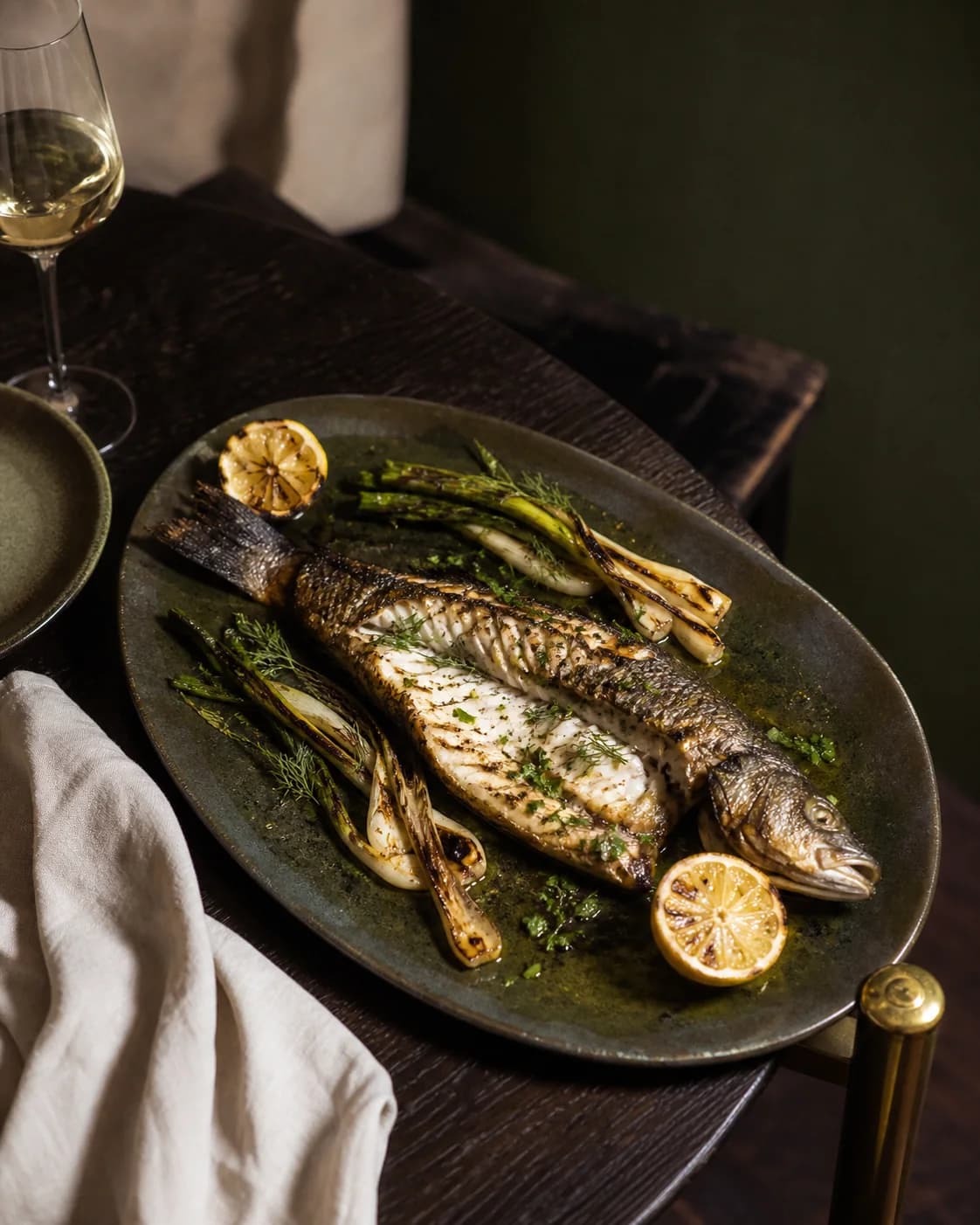
Seasonal restaurant menus are often described as if the kitchen changes every dish on the first day of spring, summer, autumn and winter. Real seasonality is less tidy. Produce arrives early or late, weather changes quality, boats do not land the same fish every day and a dish may need several weeks of adjustment before it earns a place on the menu.
For a neighbourhood restaurant in West London, the aim is not to make guests study an agricultural calendar. It is to serve food that tastes right for the moment, at a price people can understand, while keeping enough familiar dishes for regulars to recognise the restaurant they returned to.
Mediterranean cooking is particularly useful for this. Fire, olive oil, herbs, grains, beans and bright acidity can adapt to British ingredients throughout the year without pretending every ingredient grew nearby.
Seasonality begins with flavour
An ingredient being available does not automatically make it good. The first tomatoes of the year may look promising but lack the sweetness required for a simple tomato salad. Late-season courgettes may be better grilled and dressed than served raw. A kitchen has to taste before it commits.
This is why a seasonal menu can change quietly. One week a plate uses broad beans, the next peas. A herb switches because the grower has a better crop. The fish listed on the menu changes after the supplier calls. These are not compromises. They are the daily work of cooking around ingredients rather than forcing ingredients into a fixed description.
At Linden Table, the fictional brief asks the kitchen to keep the method recognisable while allowing the produce to move. A grilled vegetable may still arrive with tahini, herbs and something sharp, but the vegetable changes. A whole fish may keep its lemon and olive oil while the species follows responsible availability.
What spring can bring
Spring menus often begin before the weather feels warm. After months of roots, brassicas and slow-cooked dishes, the first green ingredients change the mood of the kitchen.
Purple sprouting broccoli, spring greens and young leeks can handle charcoal and smoke. Peas, broad beans and asparagus need less intervention. They suit fresh cheese, preserved lemon, mint, dill and good olive oil. Lamb may appear with artichokes, beans or bitter leaves rather than a heavy sauce.
The danger is treating every green ingredient as delicate. Fire can give spring vegetables depth, provided the kitchen protects their freshness with acidity and herbs. A plate of grilled asparagus needs more than grill marks. It needs salt, texture and a dressing that makes the ingredient taste more clearly of itself.
Spring also shows why exact menu promises are difficult. Asparagus seasons are brief and weather-dependent. A restaurant committed to quality may remove a dish sooner than expected rather than buying an inferior version simply because the printed menu says it should be there.
The abundance of summer
Summer provides the easiest visual argument for seasonality. Tomatoes, courgettes, aubergines, peppers, stone fruit and herbs bring colour with relatively little effort. The challenge is restraint.
A ripe tomato needs salt, olive oil and acidity, not six competing garnishes. Courgettes can be fried, grilled or shaved raw depending on size and freshness. Aubergines reward smoke and slow cooking. Peaches and apricots can move between savoury plates and dessert.
For Mediterranean restaurants in West London, summer is also the moment for whole fish, cold vegetable dishes and food that encourages a slower lunch. Menus can feel lighter without reducing generosity. Beans, grains, bread and olive oil give substance while tomatoes, leaves and citrus keep the table bright.
Hot weather changes service as well as ingredients. Guests may order more small plates, choose chilled drinks and take longer between courses. The dining room and menu should allow for that rhythm.
Autumn is more than squash
Autumn menus sometimes become a list of brown ingredients and pumpkin purées. The season has more range. Figs, grapes, apples, pears, mushrooms, late tomatoes, peppers and bitter leaves can sit beside beans, game and the first slower cooked dishes.
Charcoal cooking helps bridge the seasons. A pepper grilled in early autumn carries summer sweetness and cooler-weather smoke. Mushrooms take on depth over fire. Lamb or pork can appear with fruit, herbs and sharp greens rather than moving immediately into winter richness.
This is also a good time for group dining. Larger grill dishes, baked rice, slow-cooked beans and roast vegetables create a table that feels generous as evenings become darker. A seasonal sharing menu can change two or three details without asking the entire group to take a risk.
At the end of autumn, citrus begins to return as a source of freshness. Preserved ingredients, including olives, anchovies, dried herbs and pickles, become more visible. Seasonal cooking has always relied on preservation. It is not limited to ingredients picked that morning.
Winter rewards patience
Winter cooking is built around time. Beans, braised greens, chicories, brassicas and tougher cuts become satisfying through careful preparation. Charcoal remains useful, adding bitterness and smoke to sweet roots, onions and cabbage.
Mediterranean influence keeps winter dishes from becoming heavy. Lemon, vinegar, herbs, chilli and olive oil lift slow-cooked food. Pulses can carry a main course when treated with the same care as meat. Bitter leaves bring contrast to roasted and braised dishes.
Fish remains part of a winter menu, but availability depends on weather and fishing conditions. A responsible restaurant needs the freedom to change species or preparation. Clear service matters here. Guests are usually comfortable with a substitution when the team explains it directly and offers a confident alternative.
Desserts can use citrus, nuts, honey, chocolate and stored fruits. A winter pudding does not need to be enormous. After a rich main course, a sharp orange cream or olive oil cake can be the more satisfying finish.
British produce and Mediterranean ingredients
Local and seasonal are related, but they are not the same promise. A West London restaurant can buy British vegetables, meat and day-boat fish while using olive oil, lemons, spices, cheese, wine and preserved ingredients from Mediterranean producers.
The useful question is whether the sourcing makes sense for the dish. British tomatoes in their best weeks may be excellent. Olive oil should come from a place that grows olives well. Spices should be chosen for freshness and character, not for an artificial claim that every item travelled the shortest possible distance.
Honest menus explain origin when it adds meaning. They do not turn every ingredient into a paragraph. A supplier name, region or fishing method can build trust, but the food still has to taste good and the price still has to work for a neighbourhood table.
Why seasonal dishes sometimes change price
Availability, labour and yield affect restaurant pricing. A whole fish varies by species and weight. Vegetables that require extensive preparation may cost more to serve than their raw price suggests. A smaller producer may offer exceptional quality in limited quantities.
Seasonal does not always mean cheaper. It can mean the ingredient is at its best, that waste is lower or that the kitchen can use it more completely. Restaurants should price clearly and explain market-priced dishes before the order reaches the kitchen.
For guests, the best value often comes from balance. Combine one premium main ingredient with beans, grains, vegetables and bread. A Mediterranean table can feel abundant because many elements contribute, not because every plate contains the most expensive item.
How to read a seasonal menu
Look for a few signs:
- Ingredients that change naturally through the year.
- Dish descriptions short enough to allow sensible substitutions.
- A mix of vegetable, fish and meat dishes rather than seasonality used as decoration.
- Staff who can explain what arrived recently and what may change.
- Preserved ingredients used alongside fresh produce.
Do not expect every dish to disappear each month. Signature dishes give a restaurant identity and help regular guests. The strongest seasonal menus keep a stable point of view while allowing ingredients and details to move.
The fictional Linden Table menu follows that model. Charcoal cooking, sharing plates and bright Mediterranean seasoning remain constant. Produce, fish and supporting flavours change around them. When a dish sounds right for the evening, the demonstration booking form is the next step, with no real reservation or message created.