Local dining guide
Where to Eat Before or After an Evening in Ealing
Dinner before an event needs clarity. Dinner afterwards needs flexibility. This guide helps you choose the right pace for an evening around Ealing.
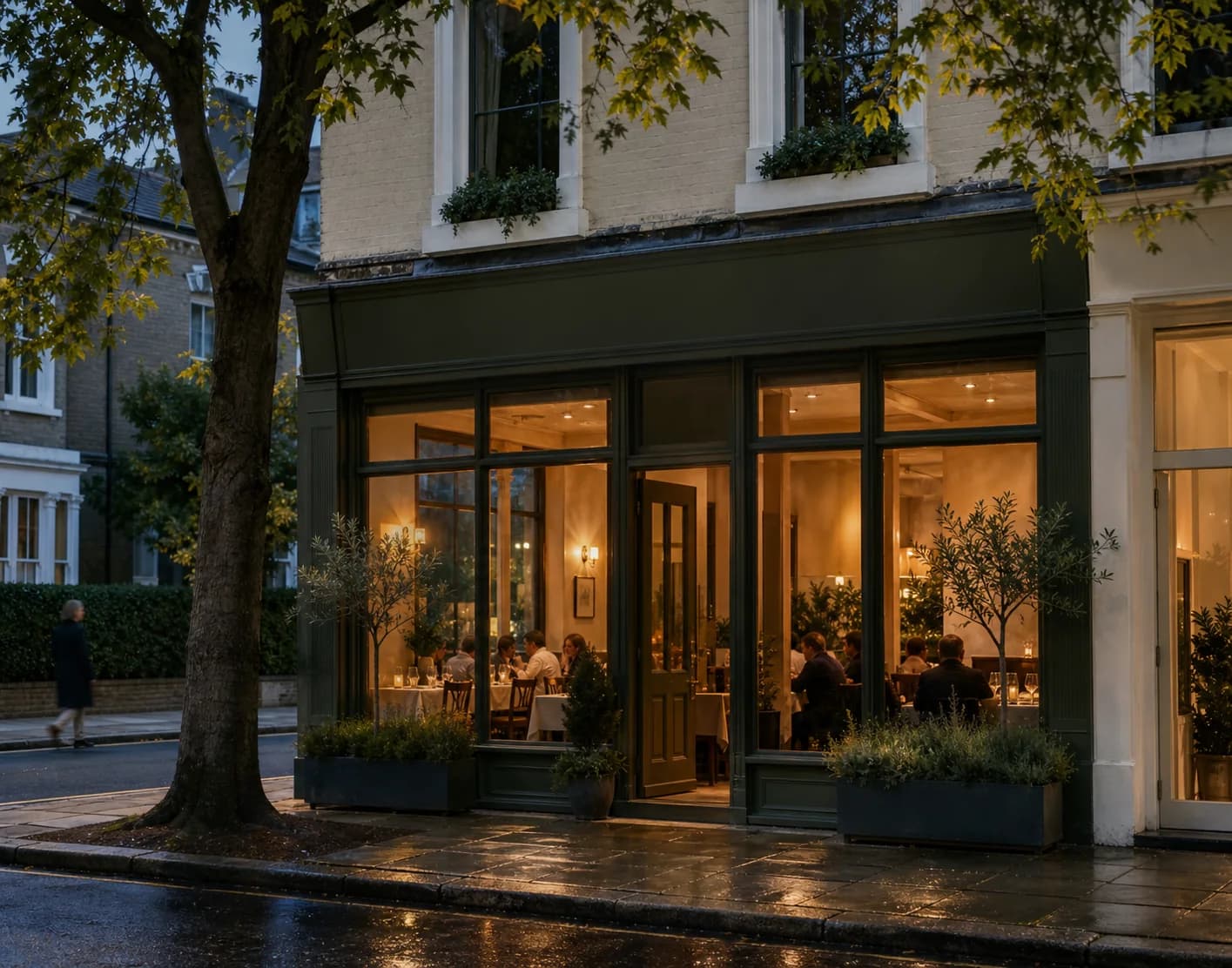
An evening out in Ealing often has two possible centres: the thing you booked first, or dinner. A film, exhibition, performance, community event or long walk can lead naturally into a meal. Dinner can also be the opening act, provided the timings are honest.
The question is not simply where to eat in Ealing. It is whether you want the meal before or after the rest of the evening, how much time you genuinely have and what style of food fits that moment. A rushed three-course dinner can make a good event feel stressful. A late meal with no plan can end in everybody ordering something they did not really want.
Here is how to make either version work.
Eating before an event in Ealing
Pre-event dining is best when the restaurant understands the deadline and the table orders with it in mind. Tell the team what time you need to leave when you arrive, not when you are waiting for dessert. They can explain which dishes fit the window and whether three courses are realistic.
Start by working backwards from the event. Include the walk, ticket collection, cloakroom and a ten-minute margin. If you need to be seated at 7.30pm and the venue is fifteen minutes away, a 5.30pm or 5.45pm table gives dinner space to breathe. A 6.30pm table probably does not.
The most useful pre-event menu has food that can arrive in a clear sequence. Small plates, a grill dish and simple sides can work well because the kitchen can pace them around your departure time. Large sharing dishes may need longer preparation, so ask before relying on one.
At Linden Table, an early dinner might begin with hummus, flatbread and sea bass crudo, followed by charcoal chicken or grilled vegetables with potatoes. If time allows, a citrus dessert or coffee finishes the meal without making it feel abbreviated. You can check the static menu when planning your order.
Eating after a gallery or cultural visit
Pitzhanger Manor and Gallery sits beside Walpole Park near Ealing Green. Its programme and opening times change, so check the official schedule before building your evening around a visit. The setting makes a gallery-first plan particularly easy: see the exhibition, walk through the park or surrounding streets, then sit down for dinner nearby.
After an exhibition, a restaurant with a little energy usually feels better than a silent room. You have something immediate to discuss, and sharing plates give the conversation a natural rhythm. Avoid booking so close to closing time that the group feels apologetic for arriving. A later reservation should still leave enough time for the kitchen and dining room to look after you properly.
If the gallery has a late opening or event, confirm when it actually finishes. Talks and audience questions often run beyond the advertised main programme. A flexible restaurant booking is useful, but it is still courteous to call when you expect to be late.
Dinner before a film
Film timings look precise, but adverts, trailers, ticket queues and the walk to the screen all affect the plan. Decide whether you care about seeing the beginning of the advertised programme. If you do, treat the listed time as your arrival deadline.
Before a film, choose a meal that is satisfying without being so heavy that the second half becomes a struggle. Grilled fish, chicken, beans and vegetable-led plates offer more flexibility than a fixed tasting format. Wine by the glass is easier to pace than a bottle when time is limited.
If the film starts early, consider reversing the order. A drink or small plate first, then a proper dinner afterwards, can produce a calmer evening. The later meal becomes the place to discuss the film rather than something you hurry through before it.
Eating after an event
Post-event dinner has a different character. People arrive with more energy or less, depending on what they have just seen. Some groups want a full meal; others discover that a few plates and a drink are enough.
Check three things before choosing a late table:
- The restaurant's final seating time, not only its closing time.
- Whether the full menu remains available.
- How long it will take to leave the venue and reach the restaurant.
Do not assume a kitchen serving until 10pm wants a table to arrive at 9.58pm without warning. A confirmed booking lets the team plan. If an event ends later than expected, call as soon as you know.
A Mediterranean sharing menu suits this kind of evening because the table can adjust after sitting down. Begin with bread, olives, dips and a cold plate. Add a dish from the charcoal grill if everyone is hungry, or keep the meal lighter with vegetables, salad and something sweet.
Planning for different group sizes
Two people can change direction quickly. A group of eight cannot. For larger evenings, agree on the restaurant, time and travel route in advance. Send one message with the complete plan rather than a sequence of suggestions that nobody reads in order.
Groups should also discuss dietary requirements before the day. A restaurant can respond much more clearly when it knows the number of vegetarian, vegan, gluten-free and allergy-related requests early. For celebrations or groups that need more space, the private dining guide explains the fictional formats at Linden Table.
If people are arriving from different parts of London, meeting near Ealing Broadway station can simplify the start. The station is served by the Central, District and Elizabeth lines as well as National Rail. Always check live transport information, especially later in the evening or at weekends.
The useful middle ground: dinner is the plan
Sometimes the best answer is not to attach dinner to anything else. Meet for a short walk, book a table and let the meal carry the evening. This is particularly useful when a group has not seen each other for a while. Adding tickets and fixed timings can reduce the part everyone actually wanted: time to talk.
A neighbourhood restaurant earns its place by working for both versions. It can serve an early table clearly before an event, welcome a later group without making the meal feel secondary, and be enough of an occasion on its own.
A timing checklist for an Ealing evening
Before confirming the table, ask:
- What time must we arrive at the event?
- How long is the real walk between venues?
- Does the restaurant know our departure time or late arrival time?
- Are there dietary needs the kitchen should receive in advance?
- Does everyone know whether dinner is a full meal or a few plates?
Clear answers protect the enjoyable part of the night. Nobody needs to watch the clock through the main course or search for food when kitchens are winding down.
Linden Table is fictional, but its location and service pattern are designed around real local behaviour. Use the demonstration booking form to see how a restaurant can collect the practical details without making the process feel heavy.